
Strictly necessary
Supports security, server sessions, form protection, administrator sign-in, and remembering your privacy choice.
Use this glossary for concise definitions of crawler roles, robots.txt directives, and newer AI-content control terms. Each entry explains what the term means, what it does not mean, and where it fits in a practical website policy.
Many robots.txt mistakes begin with category confusion. A crawler can support ordinary search, AI search, model development, a user-requested fetch, an open dataset, or an SEO tool. Likewise, a robots.txt directive can control crawling without removing a URL from an index or securing the underlying content.
robots.txt is a plain-text file at the root of a website origin that asks compliant automated clients which URL paths they may fetch. It does not password-protect pages, request Google indexing, or guarantee removal of an indexed URL.
User-agent: *
Disallow: /private/
Allow: /private/public/
This sample restricts requests under /private/ but permits the more specific /private/public/ path for crawlers that implement standard matching. For the syntax of each line, consult User-agent, Disallow, and Allow. For a path-by-path simulation, use the draft tester.
Start with robots.txt and User-Agent, then review Disallow and Allow. These entries explain how groups target crawler tokens and how path-specific rules are interpreted. The Sitemap directive covers discovery of XML sitemaps, while Crawl-delay explains a non-standard extension that is not supported uniformly.
The AI crawler entry introduces the umbrella term. Use the separate definitions for AI training crawler and AI search crawler when deciding whether training preferences and search visibility should differ. Provider-specific user-triggered agents may form another category because they fetch after a person asks for a page rather than crawling automatically.
The Content Signal entry explains emerging mechanisms intended to communicate preferences about downstream content use. Such signals should not be confused with authentication, copyright licensing, or a guaranteed technical block.
After reading a term, open the linked guide or crawler page for examples and consequences. Use the generator to assemble a policy and the checker to test the live file. Definitions describe the mechanism; only the complete published robots.txt and the target crawler’s behavior determine the practical result.

An AI crawler is a web agent used by an AI provider to collect, discover, index, or retrieve online content. The label is broad: training crawlers, AI search crawlers, and user-requested fetchers can have different purposes and separate robots.txt tokens.

An AI search crawler discovers and analyzes public web pages for search results, grounded answers, snippets, citations, or source links. Allowing it can support visibility in that AI search product; blocking it may reduce discovery, but neither choice guarantees inclusion or exclusion from every AI surface.
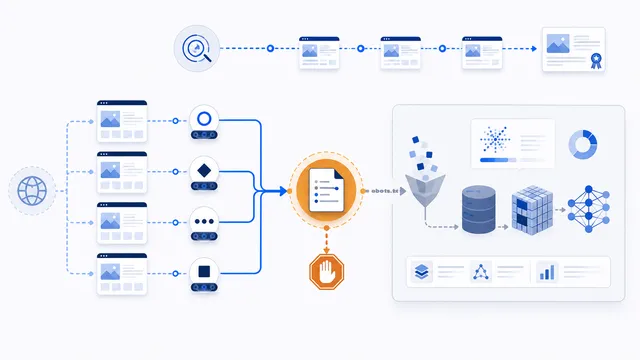
An AI training crawler collects public web content that may contribute to model development, improvement, evaluation, or safety work. A crawler-specific Disallow rule can signal that future collection is not permitted, but it does not erase previously acquired data or secure private content.
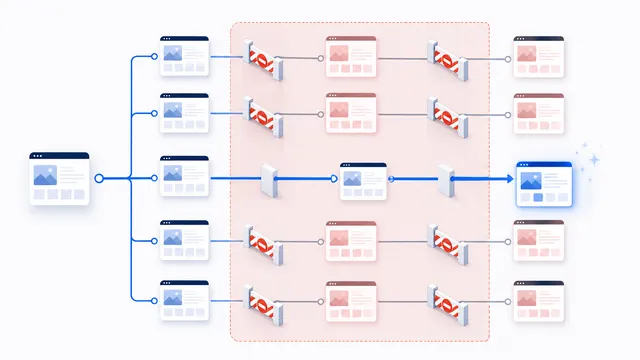
To explicitly allow all compliant crawlers, use User-agent: * followed by Allow: /. That rule is usually unnecessary because crawling is allowed by default unless a matching Disallow rule blocks a path.

Content-Signal is a non-standard robots.txt directive for expressing how accessed content may be used, including search indexing, real-time AI input, model training, and newer reuse levels. It states a preference or rights reservation; it does not itself block requests or guarantee that every crawler will comply.
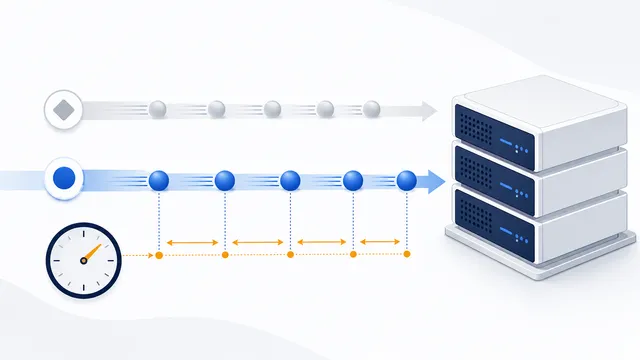
Crawl-delay is a non-standard robots.txt extension. Google documents it as unsupported, while Bingbot documents support with crawler-specific timing semantics. Use it only when logs show a real crawl-load problem and the crawler\u2019s current documentation confirms how the value is interpreted.
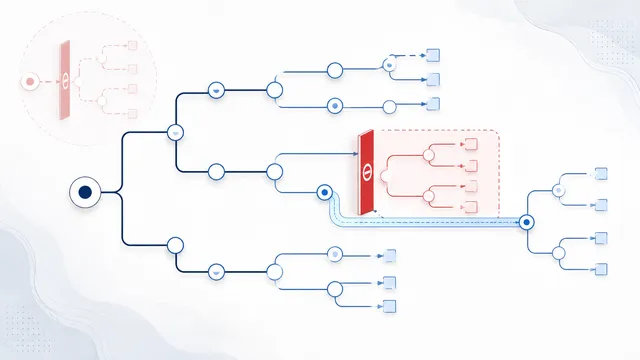
Disallow tells the matching crawler not to request URL paths beginning with the specified pattern. Disallow: / blocks the entire host for that group, while an empty Disallow: rule is ignored. When rules conflict, the most specific matching path wins.
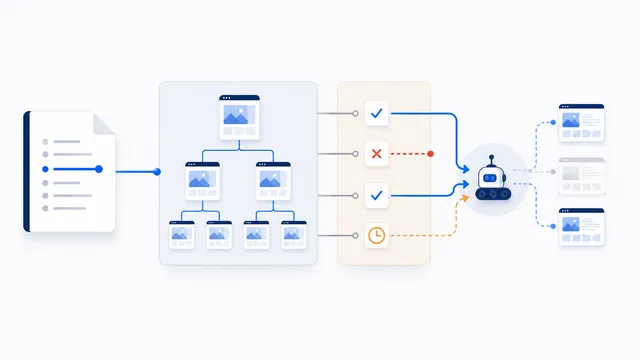
The Sitemap directive is a widely supported robots.txt extension that tells crawlers where a site’s XML sitemap or sitemap index can be found. Use an absolute URL. It advertises the sitemap location but does not force crawling or indexing.
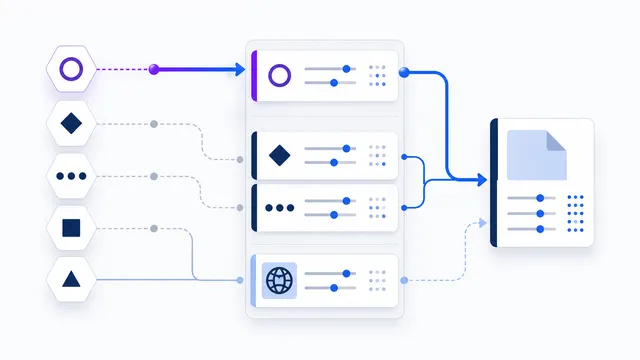
In robots.txt, User-agent identifies the crawler product token whose rules follow. Matching is case-insensitive. A crawler uses its specifically matching group when available, otherwise it falls back to User-agent: *; repeated groups for the same token are combined.
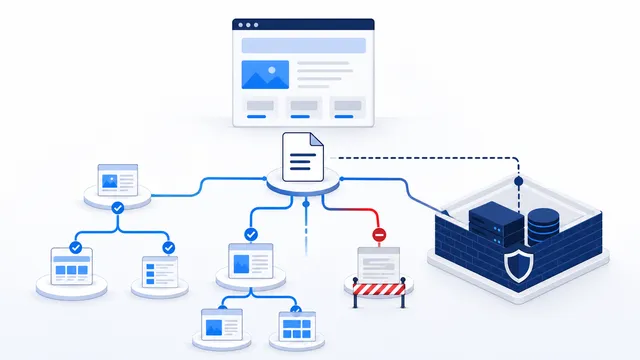
robots.txt is a plain-text crawl policy published at the root of a website origin. It tells compliant crawlers which URL paths they may or may not fetch, but it does not make content private and does not guarantee whether a URL will or will not be indexed.
Crawling is requesting and processing a resource. Indexing is storing or using information so it can appear in a search system. Blocking crawl access does not always guarantee removal of a known URL.
No. AI-related agents may support model development, search discovery, or a user-initiated request. Use the provider’s documented token and purpose.
No. They are robots.txt crawling directives for compliant automated clients. They do not authenticate visitors or protect private content.
No. It is a non-standard extension supported by some crawlers and ignored by others. Check the target provider’s documentation.
A definition explains a term, while the guides show policy trade-offs and the tools help generate or verify the complete live robots.txt file.