
AI Training Crawler: Definition and robots.txt Control
An AI training crawler collects public web content that may contribute to model development, improvement, evaluation, or safety work. A crawler-specific Disallow rule can signal that future collection is not permitted, but it does not erase previously acquired data or secure private content.
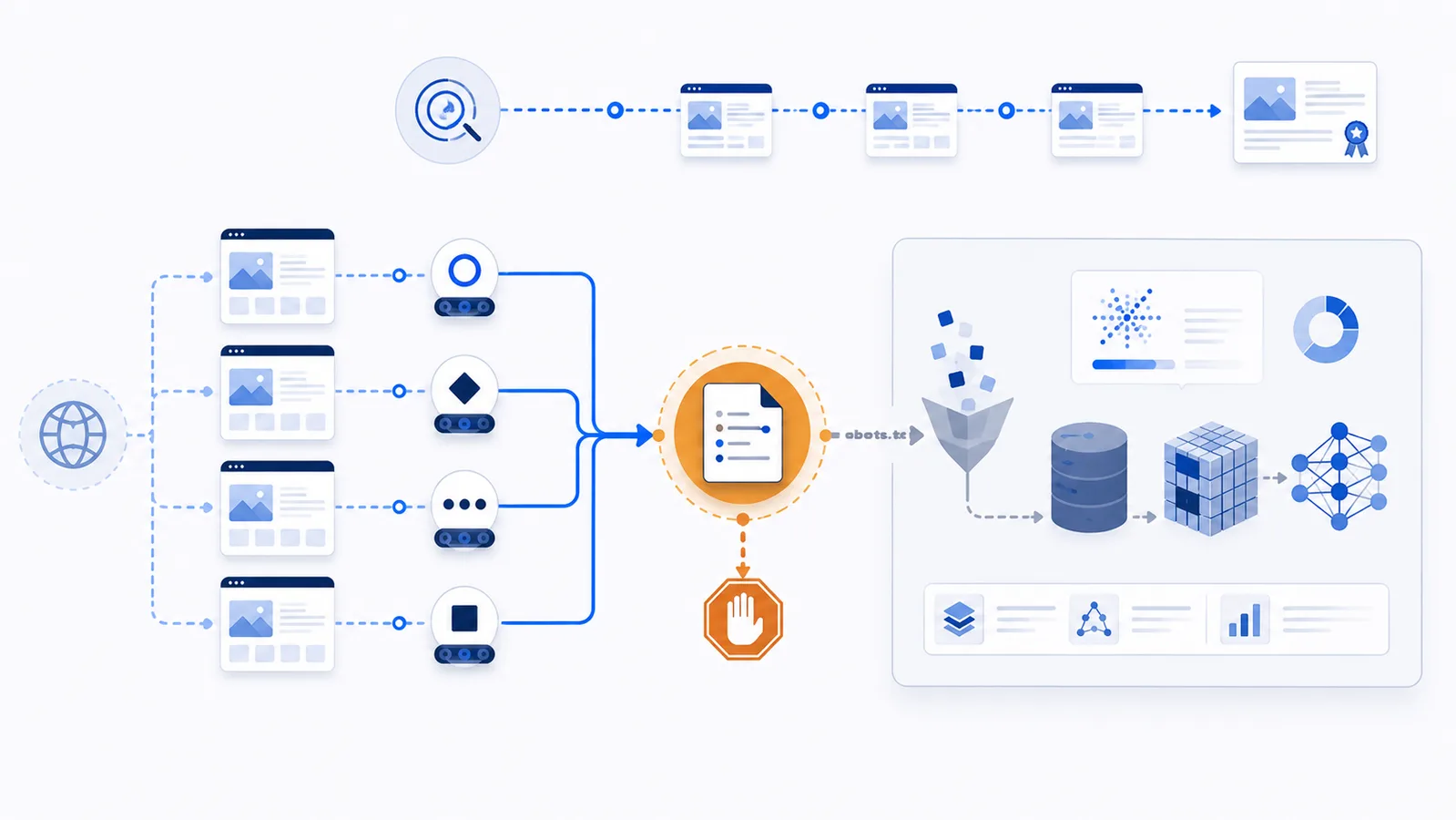
Copy-paste robots.txt example
User-agent: GPTBot
Disallow: /

User-agent: ClaudeBot
Disallow: /

User-agent: OAI-SearchBot
Allow: /

User-agent: Claude-SearchBot
Allow: /
What an AI training crawler does
An AI training crawler is a web agent that gathers public online material for possible use in developing or improving generative AI systems. Depending on the operator, collected content may support training, fine-tuning, evaluation, safety research, data filtering, or related model-development work.
The term describes a purpose, not one universal protocol token. GPTBot and ClaudeBot are documented examples of model-development crawlers. Other controls, such as Google-Extended or Applebot-Extended, may act as product-use tokens rather than separate HTTP crawlers. Always follow the operator’s current documentation.
How it differs from AI search crawling
An AI search crawler discovers pages for search results, grounded answers, snippets, citations, or source links. A training crawler collects content for model-development purposes. Some providers publish separate agents so a site can allow search discovery while opting out of training collection.
User-requested fetchers are a third category. They may access a page because a person asked an assistant to retrieve it. Their robots.txt behavior can differ from automated training and search agents.
How to block future training crawls
Create a specific group for each documented training token and disallow the required scope. Blocking / requests that the crawler avoid the entire host. A narrower path rule can keep public marketing pages available while excluding archives, user profiles, or other sections.
Do not rely on a generic guessed token such as “AI-bot.” Crawlers match documented user-agent groups, and an invented name controls nothing. Use the allow search, block AI training template as a starting point.
What the rule cannot do
Robots.txt is prospective crawl guidance. It does not automatically delete content already collected, remove copies held by third parties, revoke licensed datasets, or control information obtained through another source. Provider-specific opt-out forms, contractual rights, or legal requests may be separate processes.
It is also not security. If information must remain private, protect it with authentication, authorization, network controls, or access-restricted storage. Publicly accessible URLs should be treated as public even when a polite crawler is disallowed.
SEO and visibility considerations
Blocking a dedicated training crawler should not block ordinary search engines unless your file also targets Googlebot, Bingbot, or a broad wildcard group. Review every group carefully. A misplaced User-agent: * rule can harm search visibility far beyond the intended AI-training policy.
When a provider separates training and search agents, keep the search agent open if AI search visibility and citations are valuable to the site. See How to Allow AI Search but Block AI Training.
Verification checklist
- Confirm each official training token.
- Publish the file at the root of every relevant host.
- Check that search and user-requested agents are not blocked unintentionally.
- Validate syntax with the robots.txt checker.
- Monitor server logs after the crawler refreshes robots.txt.
FAQ
What is an AI training crawler used for?
It gathers public web content that may contribute to model training, improvement, evaluation, safety, or related development work.
Is an AI training crawler the same as an AI search crawler?
No. Training crawlers support model development, while AI search crawlers discover sources for search results, grounded answers, or citations.
Does blocking a training crawler delete data already collected?
No. Robots.txt controls future compliant crawling. It does not automatically erase earlier copies, licensed datasets, or data obtained from other sources.
Can I block training but allow AI search?
Yes when the provider publishes separate tokens. Disallow the training agent and explicitly keep the search agent accessible.
Will blocking GPTBot or ClaudeBot hurt Google Search?
Not by itself. Google Search uses Googlebot. Search visibility is at risk only if Googlebot or an overly broad wildcard group is also blocked.
 GPTBot: robots.txt Rules for OpenAI Training Crawling
 ClaudeBot robots.txt Guide
 Google-Extended robots.txt Control for Gemini
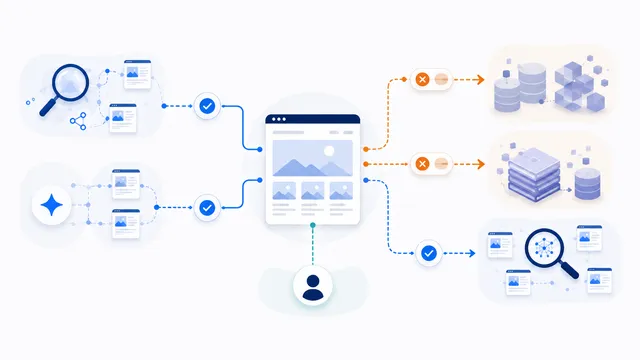 robots.txt for AI Training: Build a Selective Opt-Out
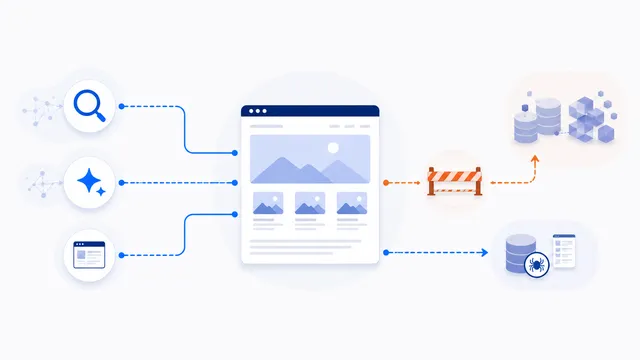 Allow Search, Block AI Training robots.txt Template