
About Robots.txt Lab
Robots.txt Lab is an independent technical resource that helps site owners understand crawler purposes, generate selective robots.txt rules, test live files, and avoid confusing crawler policy with real access security.
What Robots.txt Lab does
Robots.txt Lab is a practical reference and toolset for website owners, publishers, developers, and SEO teams managing automated crawler access. It combines a robots.txt generator, a live checker, crawler-specific reference pages, reusable templates, technical guides, and a glossary.
The central goal is clarity. Modern providers may operate different agents for ordinary search, AI-search discovery, model training, site analysis, and requests initiated by a user. A single company name therefore does not always map to one crawler purpose or one appropriate rule.
How the tools are intended to be used
The generator creates a starting robots.txt policy from selected crawler preferences. The checker fetches a public robots.txt file and explains how known agents are treated for a selected path. Reference pages provide the exact robots.txt token, purpose, and practical consequences of allowing or blocking a crawler.
Generated output should be reviewed before publication. Every website has its own search, licensing, infrastructure, and access requirements, and a copied rule can produce unintended results.
Editorial approach
Robots.txt Lab bases its technical explanations on published crawler documentation, the Robots Exclusion Protocol, and observable website behavior. When providers split training, search, and user-request agents, each agent is treated as a separate control rather than being collapsed into a generic “AI bot” category.
Provider names and product references are used for identification and technical explanation. They do not imply affiliation, sponsorship, endorsement, or representation by those companies.
Important limitations
Robots.txt is a request that compliant crawlers are expected to honor. It is not authentication, authorization, a paywall, copyright enforcement, or a guarantee against scraping. Private or licensed material must be protected by enforceable server-side controls.
Robots.txt Lab provides technical information, not legal advice, and cannot guarantee crawler compliance, search ranking, AI citation, or uninterrupted availability. Use the tools as part of a broader review process that includes server logs and current provider documentation.
Corrections and updates
Crawler documentation changes over time. If you find an outdated token, incorrect source, broken example, or ambiguous explanation, use the Contact page to report it with the affected URL and supporting source.
FAQ
Is Robots.txt Lab affiliated with OpenAI, Google, Anthropic, or other crawler providers?
No. Robots.txt Lab is independent. Provider names are used only to identify crawlers, products, and published technical controls.
Do the generator and checker provide legal advice?
No. They provide technical guidance. Site owners remain responsible for their publishing, privacy, licensing, security, and compliance decisions.
Does the checker prove that a crawler will obey robots.txt?
No. It explains the published rules and expected result for a compliant crawler. Server logs and provider behavior are still needed to evaluate real requests.
Where does the crawler information come from?
Robots.txt Lab prioritizes official provider documentation, protocol specifications, and direct technical verification when available.
How can I report an outdated crawler entry or incorrect example?
Use the Contact page and include the affected page URL, the specific issue, and a reliable supporting source.
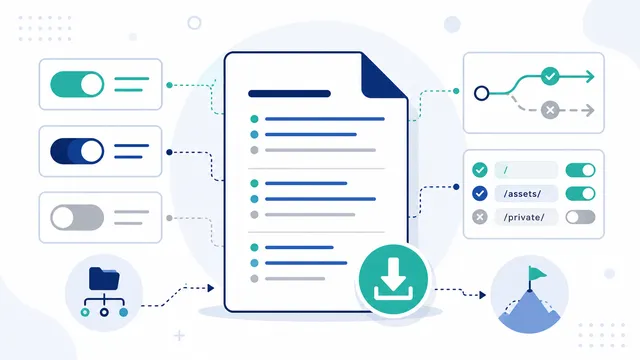 AI robots.txt Generator
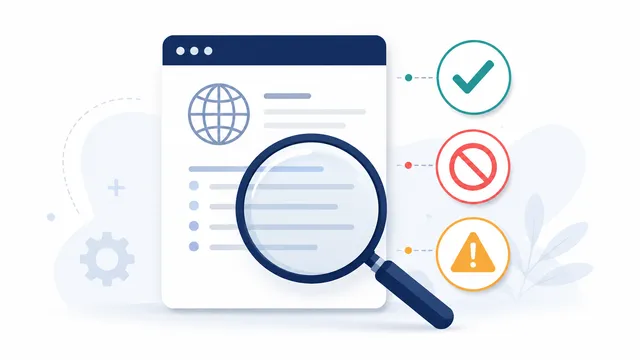 robots.txt Checker
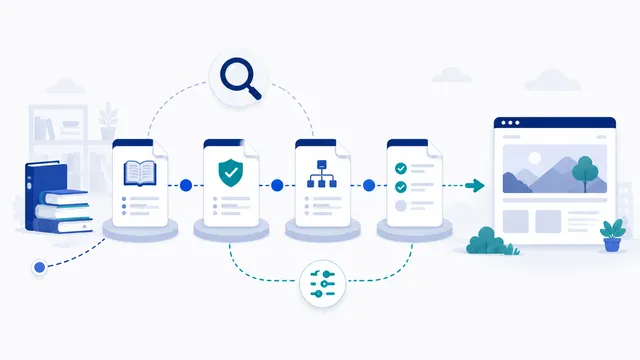 AI Crawler and robots.txt Guides
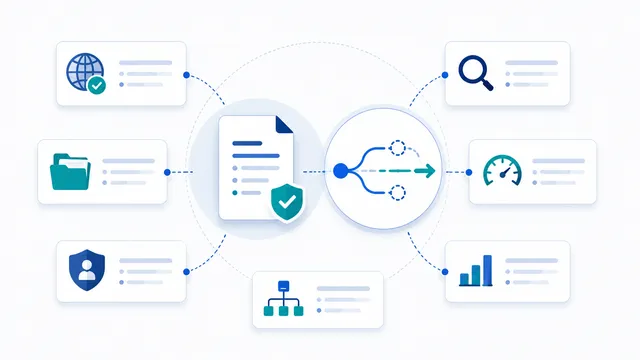 Robots.txt and AI Crawler Glossary