
AI Search Crawler: Definition, Visibility, and Control
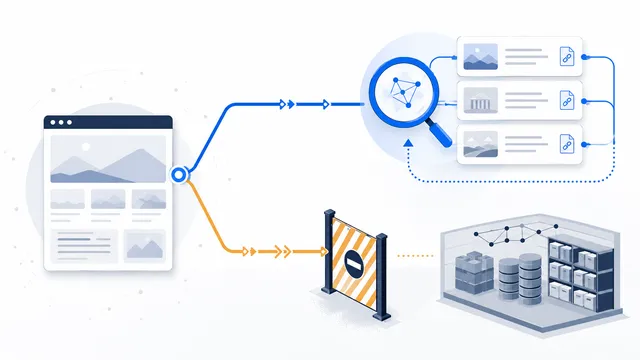
An AI search crawler discovers and analyzes public web pages for search results, grounded answers, snippets, citations, or source links. Allowing it can support visibility in that AI search product; blocking it may reduce discovery, but neither choice guarantees inclusion or exclusion from every AI surface.
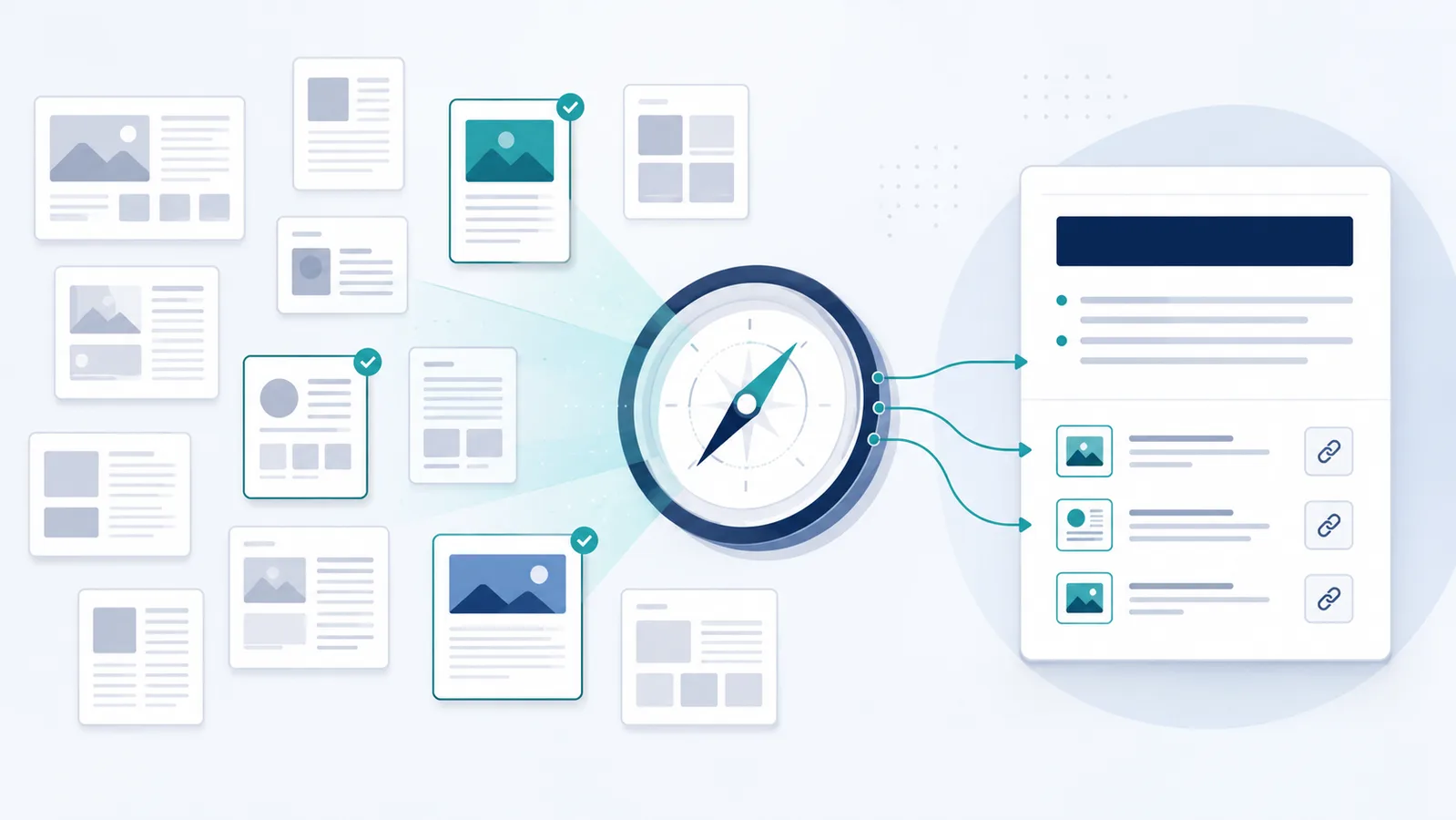
Copy-paste robots.txt example
User-agent: OAI-SearchBot
Allow: /

User-agent: Claude-SearchBot
Allow: /

User-agent: PerplexityBot
Allow: /

User-agent: GPTBot
Disallow: /

User-agent: ClaudeBot
Disallow: /
What an AI search crawler does
An AI search crawler explores public web pages to build or refresh a search index, identify relevant sources, and support grounded answers with links or citations. Examples of documented search-focused agents include OAI-SearchBot, Claude-SearchBot, and PerplexityBot.
These agents are connected to AI search experiences, but they are still web crawlers. They fetch URLs, follow links, interpret page content, and revisit sources according to the operator’s scheduling and policies.
How it differs from a training crawler
A training crawler collects material that may contribute to model development. A search crawler discovers sources for current retrieval, ranking, grounding, or citation. Providers may publish separate user-agent tokens so a publisher can allow search discovery while disallowing model-training collection.
A user-requested fetcher is different again: it may visit one page because a person asked an assistant to open, summarize, or use it. Do not assume that a search crawler rule automatically controls the provider’s user-directed agent.
What allowing access can change
Allowing an AI search crawler makes your public pages available for that crawler to inspect. This can improve the chance that the provider discovers, refreshes, and cites the content. It does not guarantee ranking, citation, traffic, or inclusion in a generated answer.
Clear titles, descriptive headings, crawlable internal links, stable canonical URLs, useful page content, and accessible source information all remain important. A sitemap can support discovery, but it does not override a robots.txt block.
What blocking access can change
A crawler-specific Disallow: / asks that search agent not to crawl the host. The provider may have less direct access to the page content, which can reduce freshness, visibility, or citation accuracy in that product. Exact behavior varies by provider.
Blocking an AI search crawler does not automatically remove a URL from Google or Bing, and it does not necessarily prevent a provider from knowing the URL through third-party search data, links, or previous crawls. If a page must not be publicly accessible, use real access control.
Recommended selective policy
When AI search visibility is useful, allow documented search agents and block only the model-development agents you do not want. Avoid broad wildcard rules that also block ordinary search engines. The selective template provides a safe starting structure.
Review each provider separately. See the guides for GPTBot versus OAI-SearchBot, ClaudeBot versus Claude-SearchBot, and PerplexityBot versus Perplexity-User.
How to verify access
- Confirm the provider’s current search-crawler token.
- Check the most specific matching robots.txt group.
- Validate the file with the checker.
- Monitor verified crawler requests in server logs.
- Review referral and citation data where the provider exposes it.
FAQ
What is an AI search crawler used for?
It discovers and analyzes public web pages for search results, grounded answers, source links, snippets, or citations in an AI search product.
Is an AI search crawler used for model training?
Not necessarily. Providers often publish separate agents for search discovery and model development. Check the official purpose of each token.
Will allowing an AI search crawler guarantee citations?
No. It makes crawling possible, but discovery, ranking, citation, and traffic remain subject to the provider’s systems and the quality and relevance of the page.
Will blocking an AI search crawler remove my site from Google?
No, not by itself. Google Search and Bing use their own crawlers. Only rules that target those crawlers or a broad wildcard group affect their crawl access.
Can I allow AI search while blocking AI training?
Yes when separate tokens are available. Allow the provider’s search crawler and disallow its model-development crawler in distinct robots.txt groups.
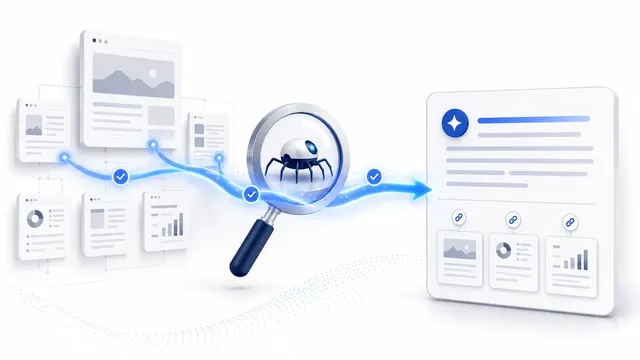 OAI-SearchBot robots.txt Guide
 Claude-SearchBot robots.txt Rules
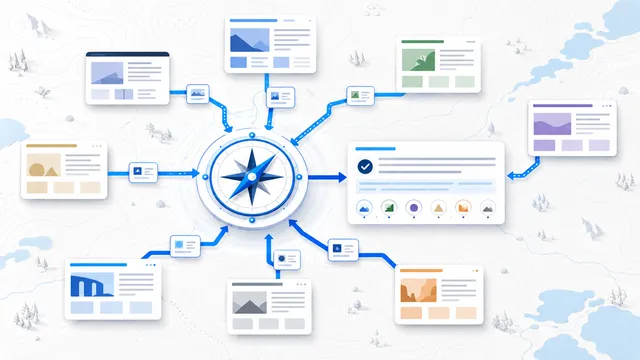 PerplexityBot robots.txt Rules for Search Visibility
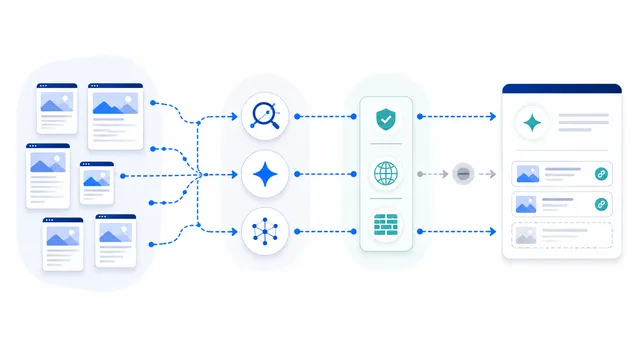 robots.txt for AI Search: Discovery Crawler Guide
 How to Allow AI Search but Block AI Training