
ClaudeBot vs Claude-SearchBot vs Claude-User
Anthropic uses three distinct agents: ClaudeBot for model-development crawling, Claude-SearchBot for search quality and indexing, and Claude-User for user-directed retrieval. Treat them as separate policy decisions.
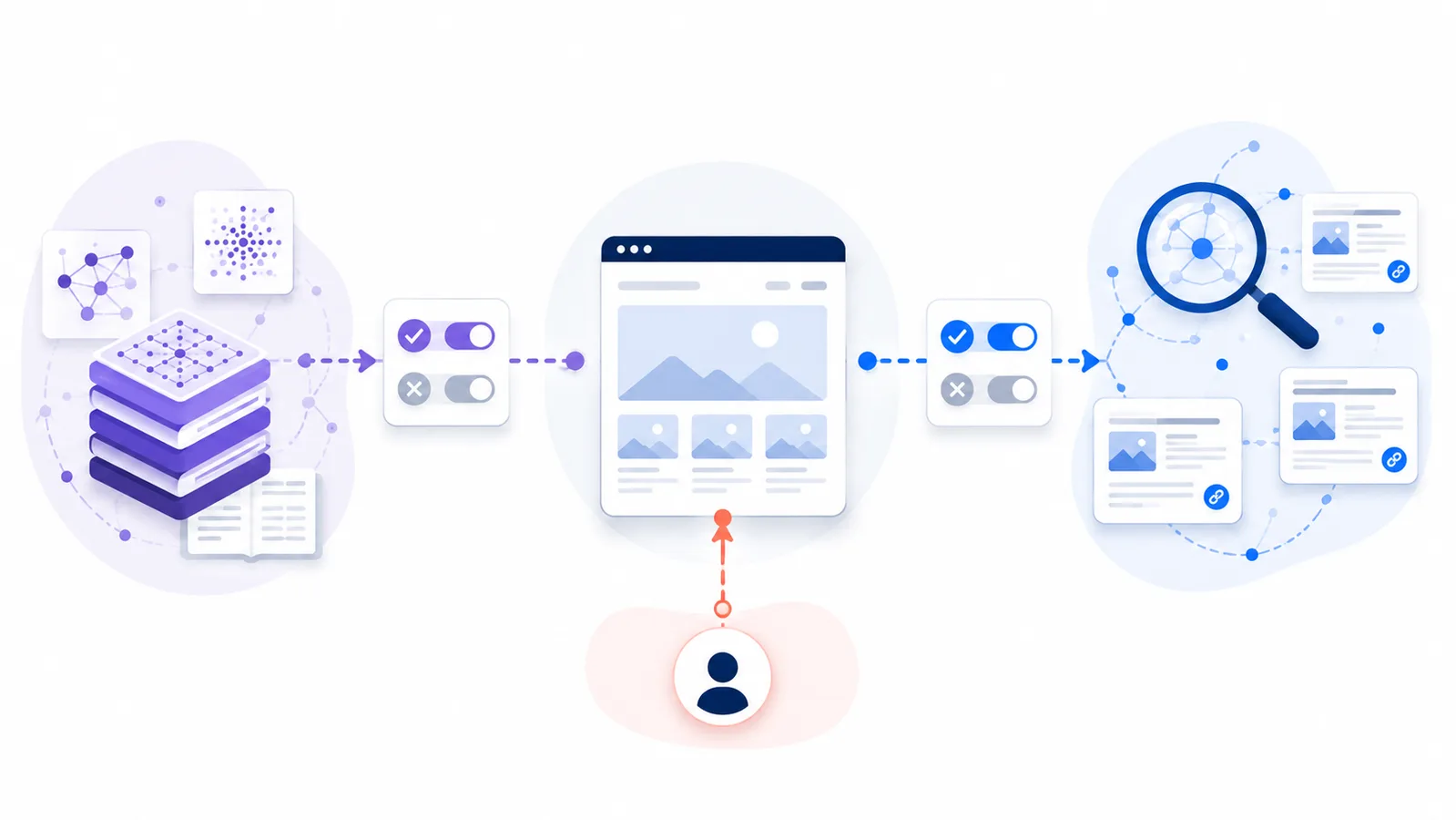
Copy-paste robots.txt example
User-agent: ClaudeBot
Disallow: /

User-agent: Claude-SearchBot
Allow: /

User-agent: Claude-User
Allow: /
Anthropic publishes separate user agents because “allow Claude” is not a single web-access decision. The three agents represent different purposes, and a robots.txt file can express a different choice for each one.
Claude policy profiles with measurable results
| Desired outcome | ClaudeBot | Claude-SearchBot | Claude-User |
|---|---|---|---|
| Opt out of automated training crawl; keep search | Disallow | Allow | Decide separately |
| Limit automatic search discovery; permit training collection | Allow | Disallow | Decide separately |
| Block both automatic purposes | Disallow | Disallow | Decide separately |
Each cell is a distinct policy decision, not an implied inheritance rule. Write a group for the agent you want to control, then test / and an inner content URL for all three tokens in the draft tester. Check the winning rule rather than only the final allowed/blocked badge.
Anthropic describes Claude-User as supporting user-initiated access, which is not the same task as automatic search indexing or model-training collection. Its crawler reference is the authority for the current distinction. None of these robots.txt settings replaces authentication, server-side authorization or protection of paid/private URLs.
The three Anthropic agents
| Agent | Primary purpose | What a block changes |
|---|---|---|
ClaudeBot | Collect public web content that could contribute to model training. | Signals that future site material should be excluded from Anthropic’s training datasets. |
Claude-SearchBot | Navigate and analyze the web to improve Claude search result quality. | Can reduce the site’s indexing/visibility in Claude search experiences. |
Claude-User | Retrieve web content at a Claude user’s direction. | Prevents Anthropic from retrieving the site for those user-directed requests when the rule is honored. |
Example: block training, keep search and user retrieval
User-agent: ClaudeBot
Disallow: /

User-agent: Claude-SearchBot
Allow: /

User-agent: Claude-User
Allow: /
This is useful when the business goal is discovery in Claude experiences without allowing the training crawler.
Why this is different from a ClaudeBot reference page
The ClaudeBot reference answers “what is this crawler?” This guide answers a policy question: which Anthropic agent should I allow or block for a specific outcome?
Operational checks
Anthropic states that its bots respect robots.txt and provides published bot information for site owners. After changing a policy, verify the exact group names in the live file and test representative URLs with the robots.txt Checker. Use server/WAF controls when you need stronger enforcement than cooperative crawler rules provide.
Selective path rules are possible
You can also allow an Anthropic agent generally while disallowing a specific path, or do the reverse where supported by normal robots matching. Keep the purpose of each agent visible in the file so future maintenance does not collapse three different choices into one blanket Claude rule.
FAQ
Are ClaudeBot and Claude-SearchBot the same bot?
No. Anthropic describes ClaudeBot as a model-development crawler and Claude-SearchBot as a crawler for improving search-result relevance and accuracy.
Can I block ClaudeBot but allow Claude-SearchBot?
Yes. Put the two tokens in separate robots.txt groups, disallow ClaudeBot, and allow Claude-SearchBot.
What happens if I block Claude-SearchBot?
Anthropic says this prevents indexing for search optimization and may reduce the site’s visibility and accuracy in Claude user search results.
Does Anthropic support Crawl-delay?
Yes. Anthropic states that it supports the non-standard Crawl-delay extension where appropriate. Use it only when measured crawl load requires throttling.
Is Claude-User covered by the Claude-SearchBot rule?
No. Claude-User is a separate agent for user-directed retrieval. Decide and configure its access independently.
 ClaudeBot robots.txt Guide
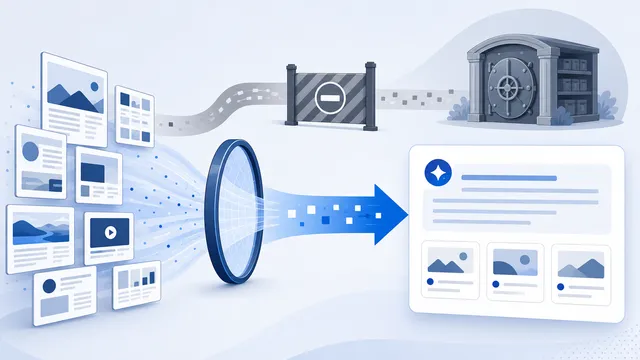 Claude-SearchBot robots.txt Rules
 Claude-User robots.txt and User-Requested Access
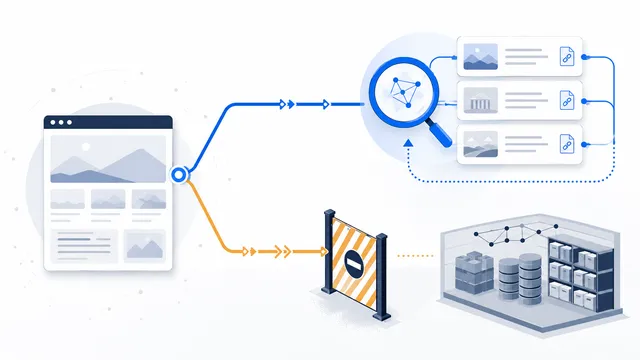 How to Allow AI Search but Block AI Training
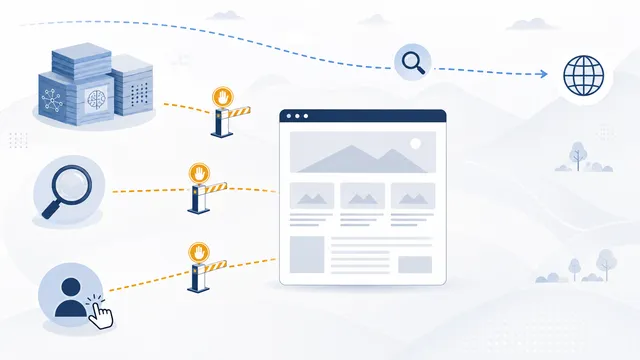 Block Claude Crawlers robots.txt Template