
Claude-User robots.txt and User-Requested Web Access
Claude-User is used when a person asks Claude to retrieve web content. Anthropic says it honors robots.txt, but robots.txt is only a crawler preference—not security. Protect private pages with authentication and authorization.

Primary reference
Official crawler documentation
Use the provider's current documentation to confirm the crawler token and purpose before changing a production robots.txt file.
First-party crawler telemetry
Observed on Robots.txt Lab
Aggregate requests that claimed this crawler identity while visiting this site during the last 90 days.
/robots.txt34/glossary/crawl-delay26/ai-crawlers/oai-searchbot4/ai-crawlers/perplexitybot3
Verification note: User-Agent strings can be spoofed. These are aggregate requests that claimed the crawler name, not proof that every request came from the provider's verified infrastructure.
Copy-paste robots.txt example
User-agent: Claude-User
Disallow: /account/
Disallow: /checkout/
Disallow: /members/
What Claude-User represents
Claude-User identifies web requests made in response to an individual using Claude. This is different from Claude-SearchBot’s automated search discovery and ClaudeBot’s model-development crawling. A Claude-User request is tied to a user action, such as asking Claude to read, summarize, or reference a public page.
Anthropic provides a separate user-agent token so site owners can decide whether these user-directed requests may access their content. Blocking Claude-User can prevent Claude from retrieving pages in response to a user query and may reduce the site’s visibility in user-directed web search.
What robots.txt can control
You can disallow the whole site or list selected paths under User-agent: Claude-User. The example below leaves ordinary public pages available while identifying account, checkout, and member areas as off-limits. Adjust the paths to match your real site structure.
Because robots.txt is public and advisory, it must never be the only protection for private content. Login checks, authorization rules, signed URLs, paywalls, and server-side restrictions must enforce access whether the request comes from Claude-User, a browser, or an unknown scraper.
Claude-User versus the other Anthropic agents
- ClaudeBot: automated collection that may contribute to model development and training.
- Claude-SearchBot: automated discovery for better Claude search results.
- Claude-User: a fetch performed because a person asked Claude to access a page.
These tokens work independently. A publisher can block ClaudeBot, allow Claude-SearchBot, and restrict Claude-User only on sensitive paths. The Claude crawler template is a starting point, while the generator is better for a custom mixed policy.
Practical setup and verification
- List every genuinely private path and protect it at the application or server level.
- Add matching Claude-User directives to communicate your crawler preference.
- Publish robots.txt at the root of each relevant host or subdomain.
- Run the checker and inspect the live file rather than trusting a local draft.
If you need the broader distinction between crawler instructions and hard access control, read Does robots.txt Stop AI Scraping?.
FAQ
Is Claude-User an automated training crawler?
No. Claude-User is associated with a specific user-directed request. ClaudeBot is Anthropic’s separate agent for collection that may contribute to model development and training.
Does Claude-User obey robots.txt?
Anthropic states that its bots honor standard robots.txt directives, including the separate Claude-User token.
Can robots.txt protect a private account page?
No. It can communicate a preference to compliant agents, but private pages need authentication, authorization, and server-side enforcement.
What happens if I block Claude-User?
Claude may be unable to retrieve your content when a user asks for it, which can reduce visibility in user-directed web search and answers.
Can I block only selected paths for Claude-User?
Yes. Add specific Disallow paths under the Claude-User group and keep public content available by default.
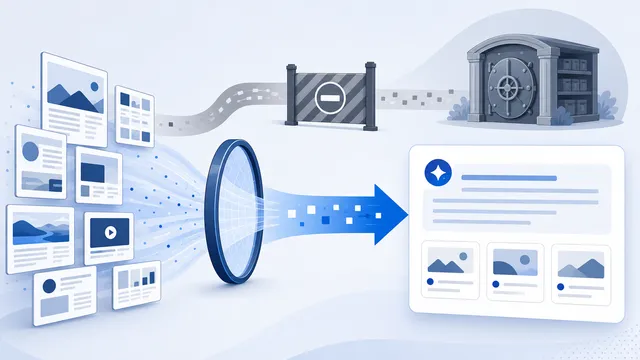
 ClaudeBot robots.txt Guide
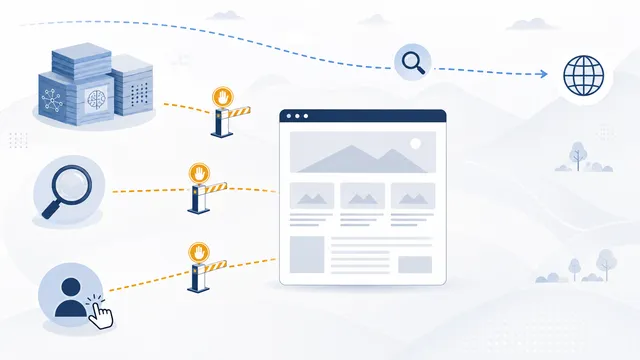
 Claude-SearchBot robots.txt Rules
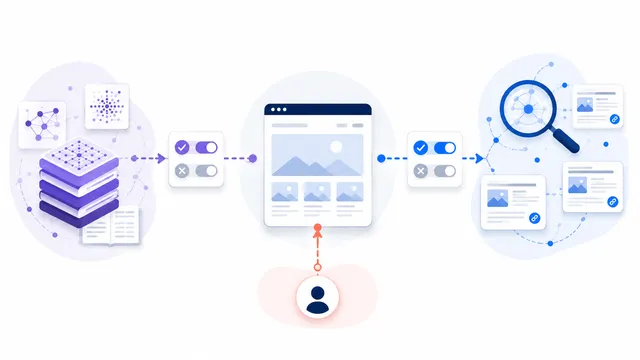
 Block Claude Crawlers robots.txt Template
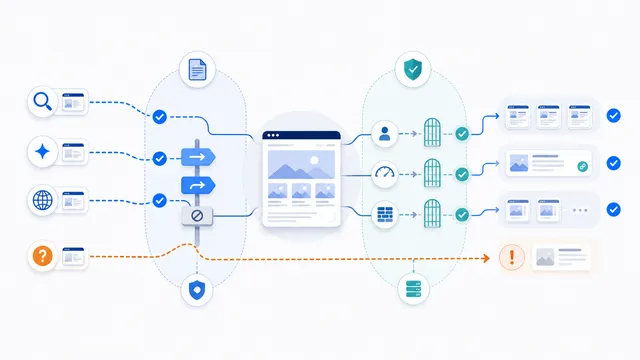
 ClaudeBot vs Claude-SearchBot vs Claude-User
 Does robots.txt Stop AI Scraping? Limits and Better Controls